

The Rise of the Global Metropolis: Powerhouses of the Modern World
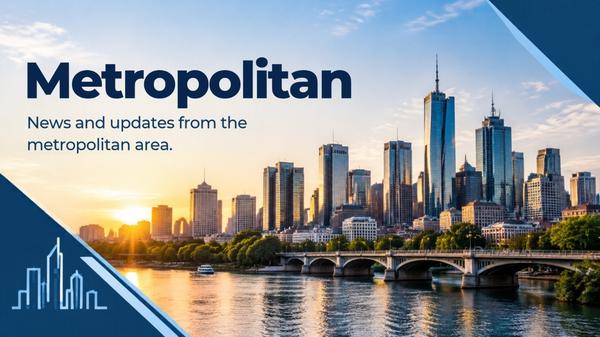
We live in an increasingly urbanized planet where the traditional boundaries defining cities, towns, and regions are constantly blurring. At the apex of this urban transformation stands the global metropolis—massive, interconnected urban regions that function as the pulsing command centers of the global economy, culture, and innovation.
Unlike regular cities defined strictly by municipal borders, a global metropolis stretches far beyond its core, drawing in satellite cities, suburbs, and exurbs into a single, highly integrated economic ecosystem.
What Defines a Global Metropolis?
A global metropolis—often referred to interchangeably as a world city or power city—is measured less by its physical size and more by its global influence. Key characteristics include:
Economic Command Centers: They host the headquarters of multinational corporations, major stock exchanges (such as New York, Tokyo, or London), and advanced producer services like international law firms, tech giants, and global financial institutions.
Hyper-Connectivity: Global metropolitan areas are major nodes in international transportation and digital networks, anchored by mega-airports, high-speed rail networks, and heavy-capacity data hubs.
Cultural and Demographic Diversity: These hubs act as melting pots for international migration, fostering vibrant cultural scenes, diverse culinary landscapes, and globalized talent pools.
Centers of Innovation: Universities, research laboratories, and startup incubators clustered within metropolitan zones drive technological advancements and economic trends that ripple across the globe.
The Shifting Geography of Megacities
The map of the world’s most prominent metropolitan areas is evolving rapidly. Historically, global economic power was concentrated heavily in North America and Western Europe. Today, the demographic and economic center of gravity has expanded significantly toward East and South Asia, alongside rapid urban scaling across Latin America and Africa.
Mega-regions like Tokyo, Delhi, Shanghai, Dhaka, and São Paulo anchor tens of millions of residents, functioning as countries unto themselves in terms of economic output and consumption. Concurrently, established leaders like New York, London, and Paris continue to command massive global influence through deep capital markets and institutional strength.
Challenges Facing the 21st-Century Metropolis
Despite their wealth and global reach, managing a global metropolis comes with acute structural challenges:
Urban Inequality: The concentration of high-paying finance and tech sectors often sits side-by-side with severe wealth disparity, visible in housing affordability crises and gentrification.
Infrastructure Strain: Moving millions of people daily requires immense logistical feats. Congestion, aging public transit networks, and reliable energy supply remain constant hurdles.
Environmental Sustainability: As heavy contributors to global carbon emissions, metropolitan areas face immense pressure to transition toward green infrastructure, climate-resilient architecture, and sustainable waste management.
Looking Ahead
The global metropolis of tomorrow will rely heavily on smart city technologies, AI-driven urban planning, and decentralized green spaces to remain livable and resilient. As populations continue to gravitate toward these economic magnets, the success of the global metropolis will determine not just the future of urban living, but the trajectory of the global economy itself.
Share this news...